CMMC Scoping
Define the CMMC Boundary With Evidence
Identify where CUI exists before deciding which systems, repositories, users, and assets belong inside the assessment boundary.
TERAMIS SOLUTIONS
Different organizations face different CUI challenges. Teramis helps you identify where Controlled Unclassified Information exists, validate your documented boundary, and monitor what changes over time.
Use the evidence to make more informed decisions about CMMC scoping, boundary validation, migration planning, spillage monitoring, incident review, and supply chain risk.
START WITH THE DATA
Where does your CUI actually live?
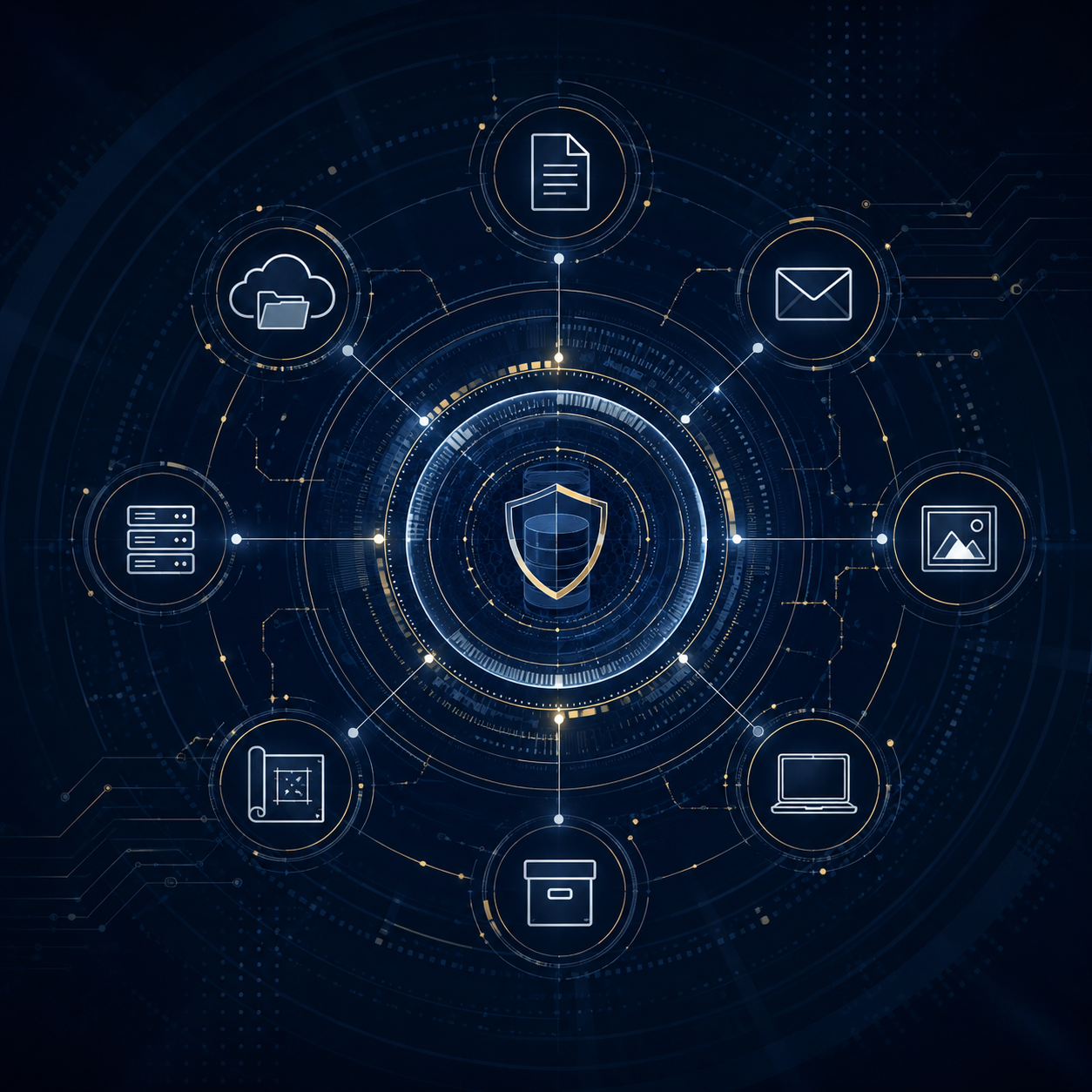
Policies, interviews, inventories, and diagrams describe an intended environment. Teramis helps you examine approved data sources and compare that intended state with the findings in your actual environment.
That evidence can support decisions about:
The right solution starts with a CUI footprint that can be examined, explained, and defended.
Trusted by leading companies






SOLUTIONS BY DECISION
Teramis provides the CUI ground truth that compliance, security, advisory, and assessment-readiness decisions depend on.
Identify where CUI exists before deciding which systems, repositories, users, and assets belong inside the assessment boundary.
Compare your documented boundary with actual findings and surface CUI discovered outside expected or approved locations.
Run recurring scans to identify new findings, changes between scans, and CUI appearing outside the locations your team expects.
Use targeted discovery to help determine whether CUI may have existed in affected systems or repositories after a security incident.
Teramis supports factual discovery. It does not make legal, reporting, or notification determinations.
Identify files and locations that administrators or approved service providers may need to review when planning authorized CUI migration activity.
Teramis reports findings. Your team or approved provider decides what action to take.
Examine whether representations about an organization’s CUI footprint are supported by findings from the actual environment.
Use cases include supplier reviews, acquisitions, integration planning, and data-separation planning.
SOLUTIONS BY ORGANIZATION
Establish a more reliable CUI baseline before investing in controls, services, enclave decisions, or assessment preparation.
Build shared visibility across Microsoft 365, distributed repositories, engineering environments, endpoints, and legacy storage.
Improve visibility into CUI before information enters a publication, sharing, or operational workflow.
MSPs, MSSPs, CMMC advisors, RPOs, GRC providers, and technology partners can use Teramis to support repeatable discovery, validation, and monitoring services.
BETTER TOGETHER WITH YOUR EXISTING STACK
Teramis is not another platform war. It complements the systems, tools, advisors, and workflows organizations already use by helping identify where CUI actually exists.
What Teramis Does Not Do
Teramis identifies, validates, reports, and monitors Controlled Unclassified Information. It does not move, tag, alter, remediate, or delete discovered data.
Teramis does not certify an organization, guarantee an assessment outcome, or replace legal, incident-response, compliance, or advisory professionals.
Teramis supports different CUI and CMMC questions across the organization. Choose the decision you need to make or the type of organization you represent.
Identify where CUI exists before determining which systems, repositories, users, and assets belong inside the CMMC boundary.
CTA: Explore CMMC Scoping
Future URL: /solutions/cmmc-scoping
Compare the documented boundary with actual findings and identify exceptions that require review.
CTA: Explore CUI Boundary Validation
Future URL: /solutions/cui-boundary-validation
Run recurring scans to identify new findings, changes between scans, and CUI appearing outside approved locations.
CTA: Explore Spillage Monitoring
Future URL: /solutions/spillage-monitoring
Identify files and locations that administrators or approved providers may need to review when planning authorized CUI migration activity.
Teramis reports findings. Your team or approved provider determines the next steps.
CTA: Explore Migration Planning Support
Future URL: /solutions/migration-planning-support
Examine approved portions of affected systems or repositories to help determine whether CUI may have been present after a security incident.
Teramis supports factual discovery. It does not make legal, reporting, or notification decisions.
CTA: Explore Post-Incident CUI Review
Future URL: /solutions/post-incident-cui-review
Use discovery findings to evaluate whether representations about an organization’s CUI footprint align with the actual environment.
CTA: Explore Supply Chain and M&A Review
Future URL: /solutions/supply-chain-ma-review
Establish a clearer CUI baseline before making CMMC scope, infrastructure, enclave, licensing, or assessment-preparation decisions.
CTA: Solutions for Defense Contractors
Build shared visibility across Microsoft 365, distributed repositories, engineering environments, endpoints, and legacy storage.
CTA: Solutions for Enterprise
Improve visibility into CUI before information enters a publication, sharing, or operational workflow.
CTA: Solutions for Government Agencies
We are beginning CMMC planning.
Start with CMMC Scoping.
We already have a documented boundary.
Start with CUI Boundary Validation.
We need ongoing visibility.
Start with Spillage Monitoring.
We are planning an authorized data move.
Start with Migration Planning Support.
We experienced a security incident.
Start with Post-Incident CUI Review.
We are reviewing a supplier, acquisition, or integration.
Start with Supply Chain and M&A Review.
We are beginning CMMC planning.
Start with CMMC Scoping.
We already have a documented boundary.
Start with CUI Boundary Validation.
We need ongoing visibility.
Start with Spillage Monitoring.
We are planning an authorized data move.
Start with Migration Planning Support.
We experienced a security incident.
Start with Post-Incident CUI Review.
We are reviewing a supplier, acquisition, or integration.
Start with Supply Chain and M&A Review.
FIND YOUR STARTING POINT